GENISOM AI Unveils a New Generation of Embodied AI Robots at WAIC 2026

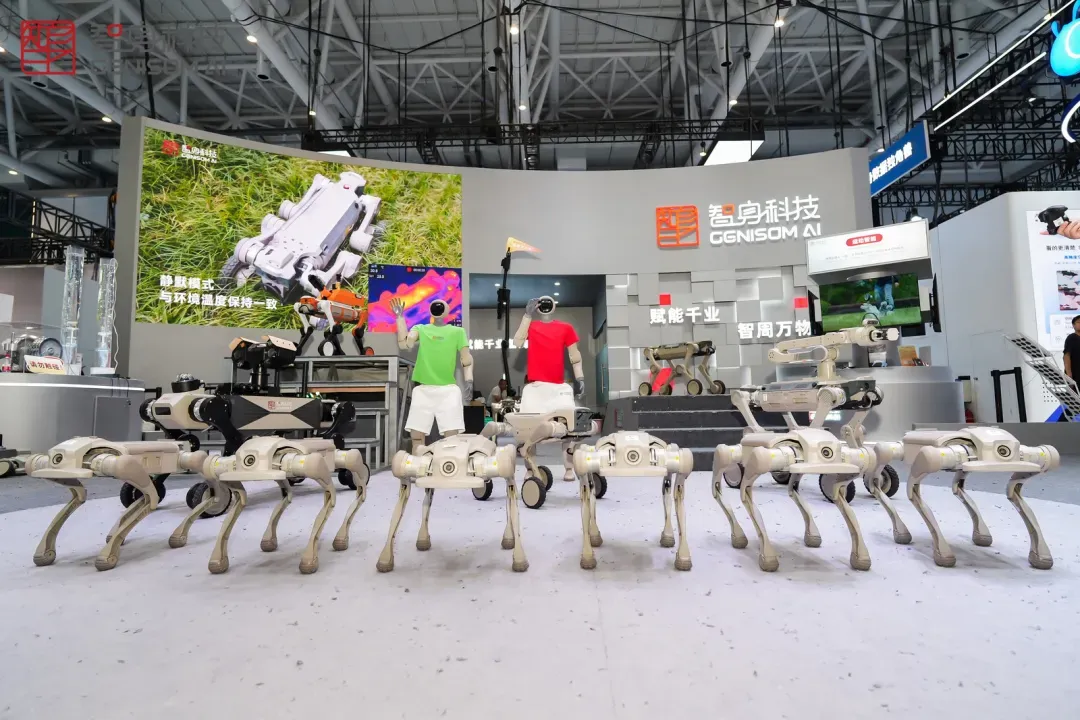
At the 2026 World Artificial Intelligence Conference (WAIC) in Shanghai, GENISOM AI presented its latest generation of embodied AI robots, bringing together new quadruped robots, a humanoid robot, intelligent joint modules, and its latest simulation platform.
The exhibition highlighted a clear direction for GENISOM AI: building intelligent robots for real-world applications across industries.
New Products, Built for Different Environments
Among the highlights was the new Genisom L2, an industrial quadruped robot designed for smart parks, communities, inspection, and other light industrial applications.
The L2 combines 16 kg continuous payload, up to 5.5 hours of operation, IP66 protection, and 86 TOPS computing power with autonomous navigation and perception capabilities. Its standardized interfaces and modular design are intended to make deployment easier across different applications.
GENISOM AI also introduced Genisom SP1, an explosion-protected quadruped robot developed for hazardous environments such as oil and gas facilities, energy sites, and industrial plants.
With a wheeled-legged mobility system, explosion protection, and intelligent perception, SP1 is designed to support remote inspection in environments where reducing human exposure to risk is a priority.
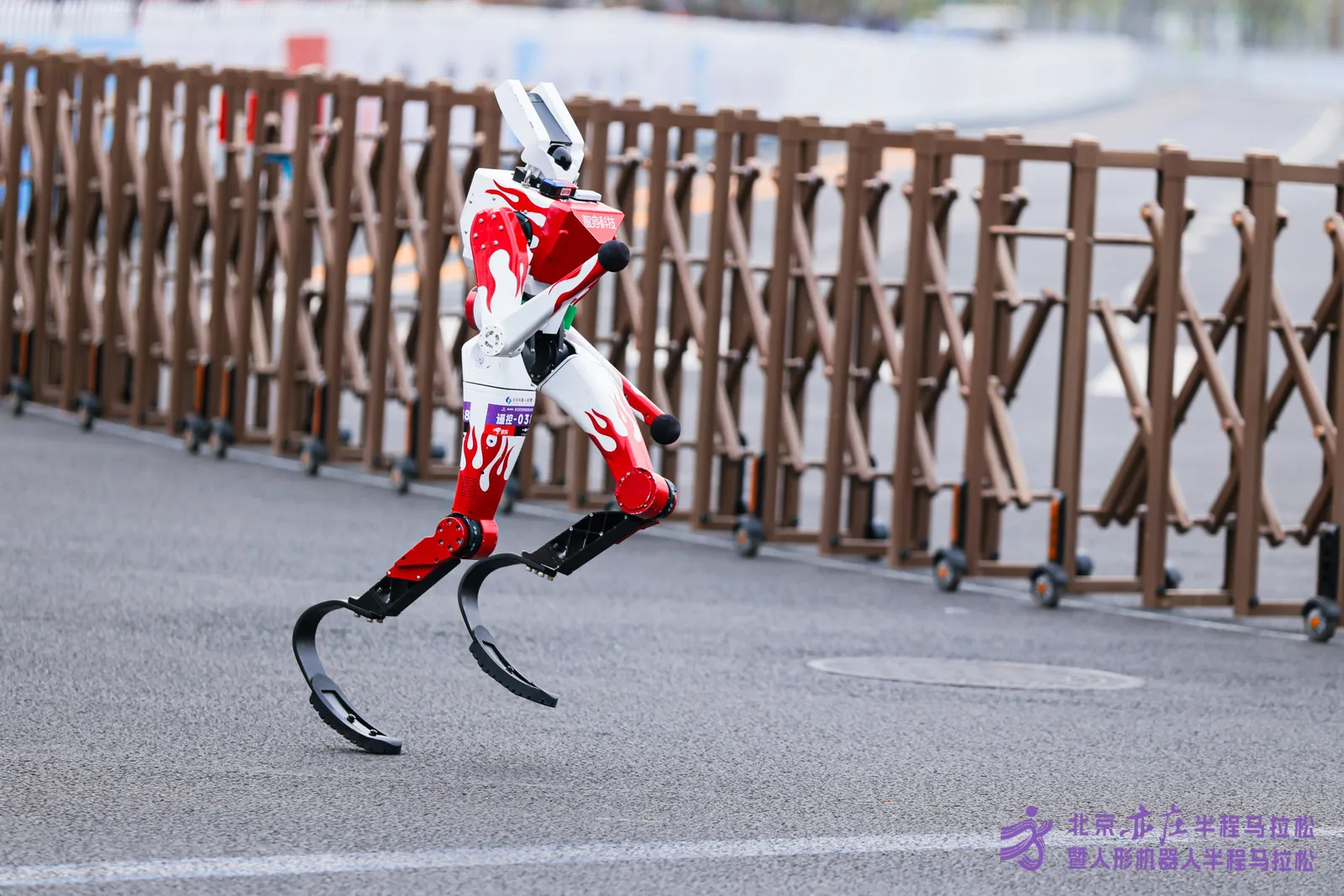
The exhibition also marked the first public appearance of the Genisom NE01 humanoid robot, expanding GENISOM AI's product portfolio from quadruped platforms into humanoid robotics.
Together, these platforms demonstrate how the same underlying capabilities in motion control, perception, intelligent decision-making, and robotics hardware can be adapted to different forms and applications.
From Robotics Technology to Industry Applications
The value of embodied AI ultimately comes from what robots can accomplish outside the laboratory.
At WAIC, GENISOM AI showcased applications across electric power inspection, security, emergency response, industrial inspection, education, logistics, and accessibility.
In power inspection, quadruped robots can combine visual inspection, thermal imaging, acoustic sensing, and other technologies to support automated monitoring and anomaly detection.
For emergency response, robotic platforms can carry sensors and task-specific equipment into environments affected by fire, heat, smoke, or structural hazards, helping collect information before people enter.
In security and patrol applications, quadruped robots can operate as mobile sensing platforms, supporting routine patrol, monitoring, and anomaly detection across large areas.
GENISOM AI also showcased applications developed with ecosystem partners, demonstrating how modular robot platforms can be adapted for specific industry requirements.
MATRiX 2.0: Training Robots Before They Enter the Real World
Another key highlight was MATRiX 2.0, GENISOM AI's open-world robotics simulation platform.
MATRiX provides a high-fidelity virtual environment for robot training and testing, helping developers evaluate navigation and robot behaviors before deploying them on physical machines.
By connecting simulation with real robots and real-world data, MATRiX supports a continuous Sim-to-Real development workflow for embodied AI.
The platform is also designed with an open ecosystem, allowing researchers and developers to build and test new robotics applications.
The focus is not simply on building more capable robots, but on making those capabilities useful across different environments and industries.
As embodied AI continues to move from research into commercial deployment, GENISOM AI is building toward one goal:
Robots that can move, perceive, adapt, and get real work done.