GENISOM AI at 2026 World Robot Conference (WRC): From Embodied AI to Real-World Robotics

What does it take for an embodied AI robot to move from an impressive demonstration to a machine that can perform useful work?
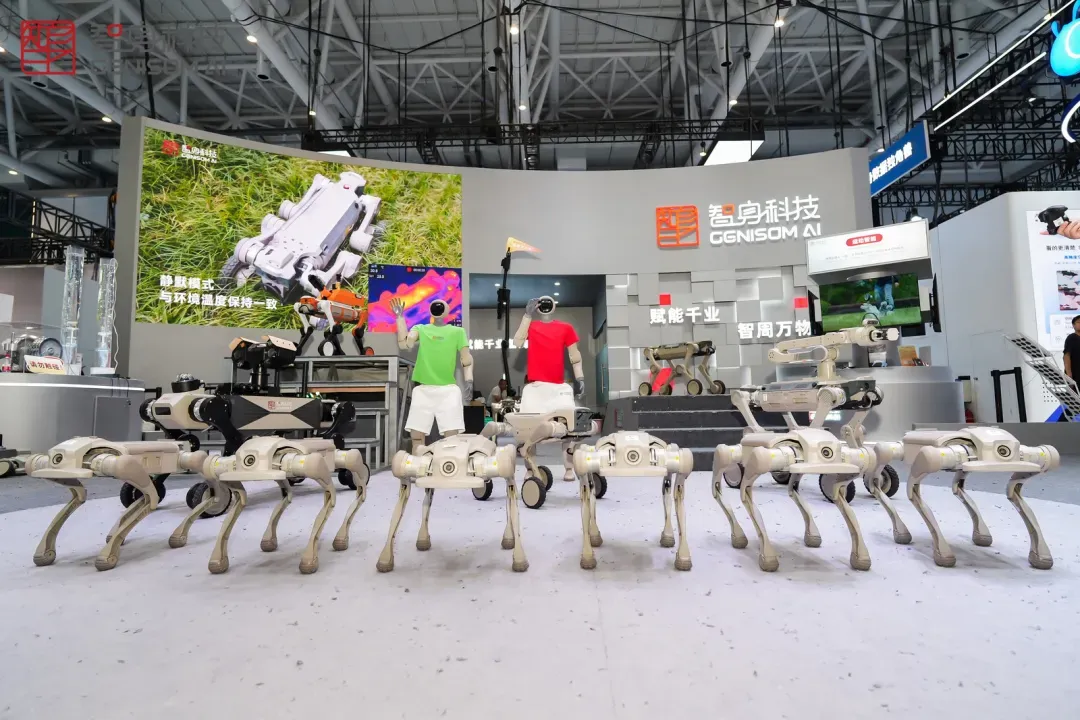
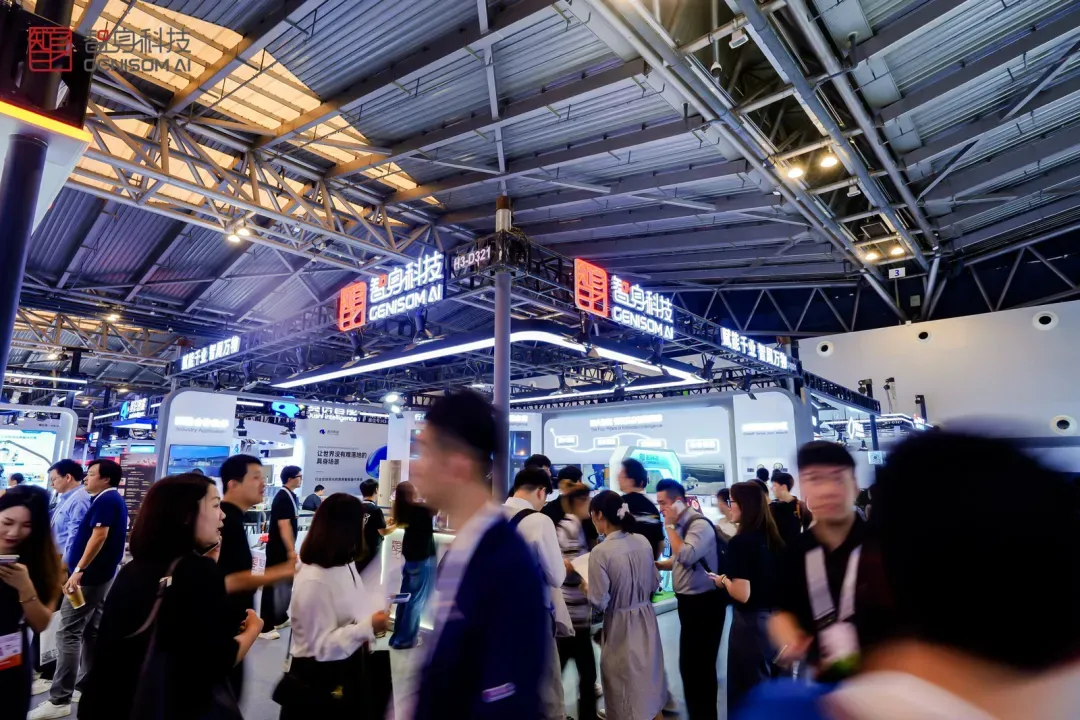
At the 2026 World Robot Conference (WRC) in Beijing, GENISOM AI presented its answer through a range of quadruped robots, humanoid robots, robotic arms, autonomous navigation technologies, and robotics platforms.
The central idea was simple: the future of robotics is not only about what robots can demonstrate, but what they can accomplish in the real world.
From Robotics Demonstrations to Real-World Work
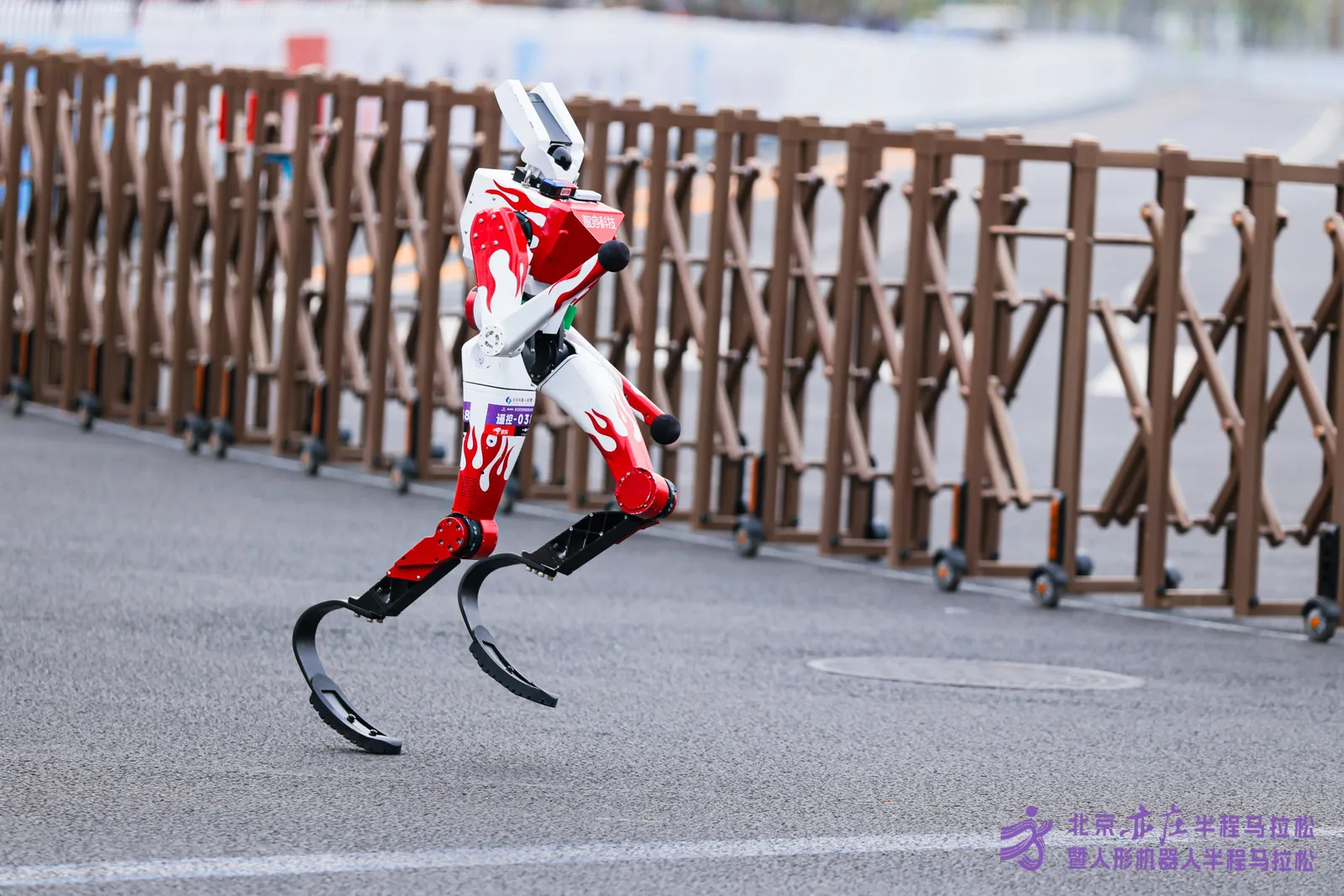
For years, robotics demonstrations have focused on individual capabilities—walking, running, climbing, or manipulating objects.
But real-world robotics presents a much harder challenge. Industrial robots need to operate across changing environments, uneven terrain, stairs, weather conditions, and unpredictable obstacles. More importantly, they need to perform the same task reliably and repeatedly.
At WRC, GENISOM AI brought these capabilities together as a complete robotics system.
Its Yinyi NE01 humanoid robot demonstrated coordinated movement, while the Gangbeng L2 quadruped robot autonomously navigated industrial hollow stairs.
The Tongchui M1 quadruped robot was paired with the Tiebi TA01 robotic arm, demonstrating coordinated locomotion and manipulation. Even while the robot platform was moving, the robotic arm maintained stable end-effector control.
Together, these demonstrations reflect a broader shift in embodied intelligence: robots are evolving from machines designed for individual movements into systems that can perceive, move, interact, and perform tasks in physical environments.
Embodied AI Meets the Physical World
Building useful industrial robots requires more than powerful hardware.
Robots need to understand their surroundings, make decisions, and translate those decisions into precise physical actions.
GENISOM AI combines intelligent perception and decision-making with real-time motion control through a dual-brain architecture. The high-level system handles perception, navigation, and task-level decisions, while the motion-control system manages dynamics and physical interaction.
At WRC, the company demonstrated an autonomous quadruped robot navigating industrial hollow stairs. Instead of relying only on feedback after physical contact, the robot can perceive terrain ahead, identify suitable footholds, and adjust its movement accordingly.
This approach moves autonomous navigation beyond simply following a predefined route toward adapting to the physical environment.
GENISOM AI's GSD (Genisom Self-Driving) technology further focuses on data-driven autonomous navigation, using experience from real-world deployment to continuously improve robot perception and decision-making.
From Autonomous Navigation to Industrial Applications
Navigation is only the beginning of an industrial robotics system.
An industrial inspection robot needs to do more than reach an inspection site. It needs to understand what to inspect, collect useful information, respond to abnormal conditions, and integrate its results into an operational workflow.
This is where embodied AI applications become increasingly important.
GENISOM AI robots are being developed and deployed across areas including electric power inspection, industrial inspection, security, emergency response, and other demanding environments.
Real-world deployment creates a continuous feedback loop:
Deployment → Data → Learning → Product Improvement
Each application provides new operational experience, helping improve both the robot platform and its intelligence.
From Prototype to Scaled Robot Manufacturing
Turning embodied AI into a commercial technology also requires reliable robot manufacturing.
As of June 2026, GENISOM AI had mass-produced more than 15,000 embodied AI robots, with monthly production capacity exceeding 5,000 units. Its proprietary intelligent joint modules have also reached annual production capacity of more than one million units.
For an industrial robotics company, scale is important because real customers need more than a successful prototype. They need consistent quality, reliable supply, standardized interfaces, software support, and products that can be deployed across multiple sites.
GENISOM AI is building this foundation through modular robot platforms, SDKs, simulation tools, and industry-specific solutions.
Its MATRiX robotics simulation platform also connects virtual training with physical robots, helping developers and researchers accelerate the development of embodied AI systems.
Building the Next Generation of Industrial Robotics
The development of physical AI is creating a new category of machines that can perceive and act in the physical world.
For GENISOM AI, the next step is to make these capabilities useful at industrial scale.
WRC 2026 demonstrated this direction through a combination of embodied AI, autonomous robots, quadruped platforms, humanoid robots, and industrial robotics technologies.
The goal is not simply to build robots that can walk, run, or perform impressive demonstrations.
It is to build robots that can understand their environment, adapt to real-world conditions, and reliably complete meaningful tasks.
As GENISOM AI expands from China to global markets, its focus remains straightforward:
Build embodied AI robots that don't just demonstrate intelligence—but put intelligence to work in the real world.